For Japanese acupuncture in London, Yutori Wellness offers a calm space at Plough Yard in Shoreditch. Treatments pair very fine needles with moxibustion.
Japanese acupuncture is hands-on. Before selecting a point, we palpate the body, listening for where it needs attention. Our goal is that needle insertion is subtle. That does not mean treatment is less effective, but rather that it is a gentle approach to treating the body.
Acupuncture does not have to be painful. Intensity is not a measure of how well it works.
What is Japanese Acupuncture?
Japanese acupuncture is a gentle, touch-led style of acupuncture. The practitioner reads the body through the hands, then treats with very fine needles, often placed shallowly. A treatment may also include non-insertive tools and moxibustion. The aim is to give the body what it needs, and no more.
Japanese medicine grew from Chinese medicine and developed its own approach over many centuries. Buddhist monks gathered Chinese medicine texts in China and brought them to Japan via Korea. Thus, this medicine has a very Buddhist influence to it. It is one branch of what is often called Oriental medicine. Many Japanese styles, including meridian therapy, read the pulse and palpate the abdomen before choosing acupuncture points.
A Japanese style acupuncture treatment at Yutori can include:
- Very fine needles. Most people feel almost nothing as they go in.
- Teishin. A non-insertive needle that works on the surface of the skin. Nothing pierces the skin. It works in a similar way to acupressure, using gentle contact on the point.
- Dashin. A method applied on the abdomen.
- Moxibustion. Gentle warmth from moxa, applied to points on the body.
- Bodywork. Some treatments also include stretching or massage.
Your practitioner chooses the appropriate treatment based on what she finds. Some treatments use only a few needles. Some use none at all.
Strength of sensation is not how we measure a good treatment.
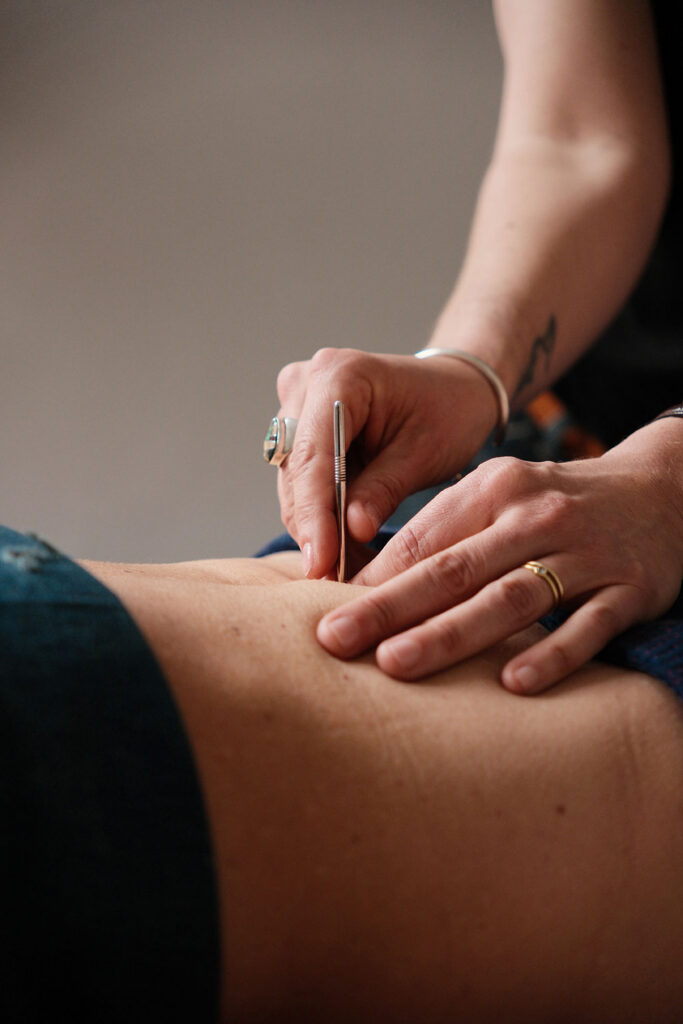
What is Moxibustion?
Moxibustion is an herb derived from dried mugwort leaves and ground into a very fine texture. After applying protective cream, the moxa is then warmed on or just above selected acupuncture points on the body. The heat is gentle and spreads slowly.
In Japan, moxa has been used alongside acupuncture for centuries. At Yutori, many treatments use a combination of acupuncture and moxa.
In Japanese practice, moxa is used year round. Many people also receive moxa through the colder months and during the cold and flu season since it has many immune boosting qualities.
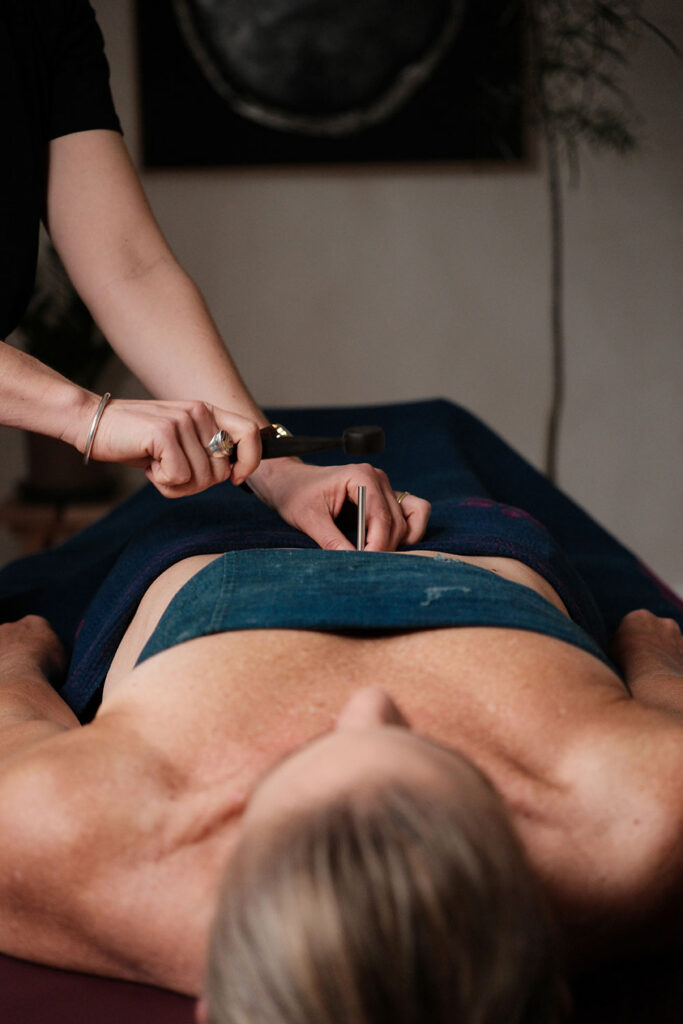
What Happens in a Session
We start by listening. Then we feel for where the body is holding tension. Treatment follows from there.
- Conversation. We talk through how you are feeling, your health history and what brings you in.
- Palpation. Your practitioner feels the pulse, the abdomen and meridians along the body to guide the treatment.
- Treatment. Fine needles, Teishin, Dashin and moxa, chosen for you on the day.
- Rest. Time to lie quietly while the treatment settles.
- Aftercare. Simple guidance for the rest of your day.
Many people notice a relaxing effect that stays with them for the rest of the day.
Acupuncture sessions last 60-75 minutes. Wear loose, comfortable clothing and be sure to not have an empty tummy. Eating a few hours beforehand is recommended.
Regular acupuncture is worth having. Many people book it as ongoing care, rather than waiting until something feels wrong. This kind of medicine is intended to be preventative and nurturing. Rather than crisis driven, we want to support you now.
Why People Come to an Acupuncturist
You do not need to be in pain to have acupuncture. You do not need something to be wrong. Sometimes the body needs a reset. Sometimes the nervous system needs a moment of peace.
Japanese medicine traditionally works with the body’s natural healing power. We see patients who want relief from a busy life as well as those with something specific in mind.
People come to Yutori Wellness for:
- A reset after a demanding stretch of work or life
- Support for the nervous system, and time for it to settle
- Regular care, to keep feeling well
Acupuncture works alongside medical therapy, not in place of it. If you are under a doctor’s care, keep them informed.
Some reasons to come in:
- Anxiety, depression, insomnia or just feeling ungrounded
- Fertility support
- Women’s health (period support, menopause etc)
- Men’s health
- Physical tension and discomfort
- Immune support
- Scar tissue work
Your Practitioners
Dr. Lauren Haythe, DAc, is a Japanese acupuncturist and bodyworker at Yutori Wellness. She holds a Doctorate of Acupuncture from Pacific College of Acupuncture in New York and is certified in Traditional Japanese Acupuncture through the TJA Institute.
She has also studied Japanese herbal medicine (Kampo) and trained in Kinesis Myofascial Integration with Tom Myers. She has worked in clinical practice since 2010. Her work includes acupuncture, bodywork and scar work.
Lauren brings Western anatomy and Eastern medicine together, shaping each treatment around the person in front of her.
She is a member of the British Acupuncture Council, a Professional Standards Authority accredited register. Yutori brings together experienced therapists, each trained in a distinct Japanese style.
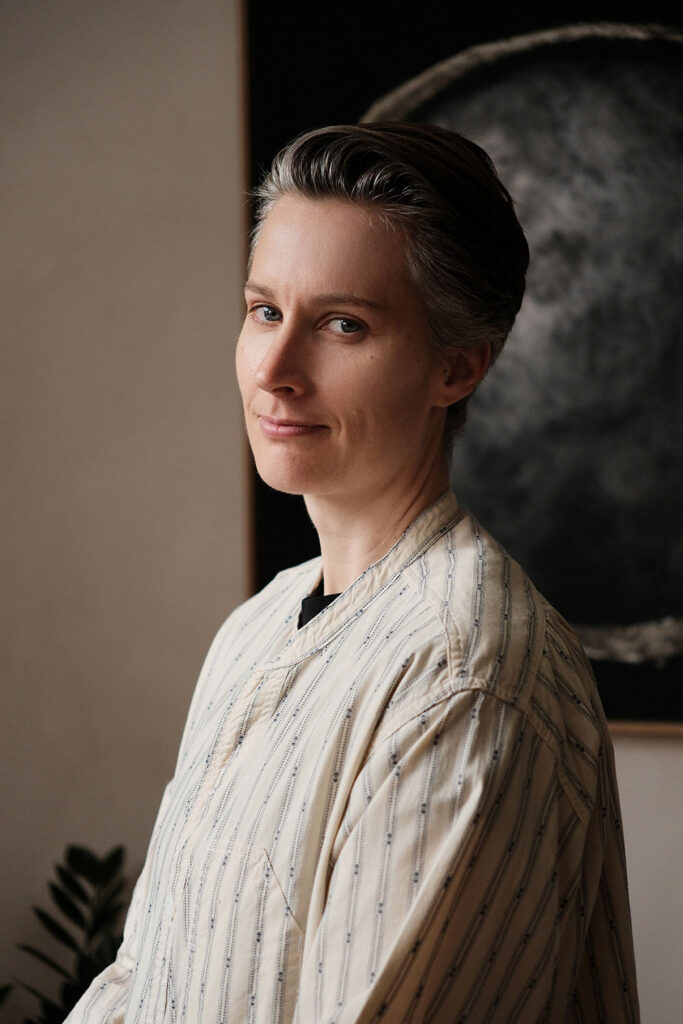
Prices and Booking with Lauren Haythe
- • Initial treatment: £120 for 75 minutes
- • Follow-up treatment: £100 for 60 minutes
Book an appointment online. Choose a time that suits you.
Book Japanese acupuncture with Lauren Haythe
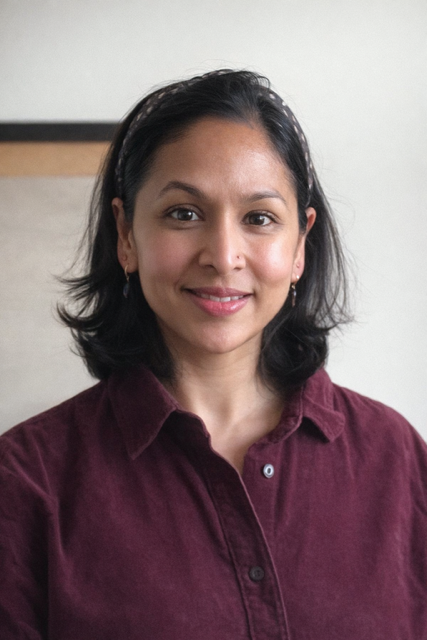
Sharmin Soi is a Japanese acupuncturist at Yutori Wellness, offering acupuncture, moxibustion and Reiki. She has over 15 years of clinical experience and a background in NHS healthcare.
Her practice draws on Toyohari, Kiiko and Shakuju acupuncture, alongside traditional Japanese moxibustion and Ontake warming techniques. Her work also includes cupping, Tui Na, Gua Sha and Reiki. She also offers Shōnishin, a gentle, non-insertive Japanese treatment for babies, children and teenagers.
Sharmin tailors each treatment to the person’s needs, preferences and sensitivity, keeping comfort and consent central throughout. She offers a calm, compassionate space to slow down and feel more grounded.
Sharmin sees clients at Yutori on Wednesdays.
Prices and Booking with Sharmin Soi
- Ki Acupuncture Reset 75 minutes | £125 A restorative, personalised treatment to ease tension, encourage relaxation and support overall wellbeing. May include acupuncture, moxibustion, Ontake, cupping, Tui Na, Gua Sha or Reiki.
- Ki Acupuncture Harmony 90 minutes | £160 An extended treatment allowing more time for individualised care, deeper relaxation and physical and emotional wellbeing. Includes a personalised selection of therapeutic techniques, with optional facial acupuncture.
- Paediatric Shōnishin 60 minutes | £85 Gentle, non-insertive Japanese-style treatment for babies, children and teenagers. A parent or legal guardian must remain present throughout. Please book directly by phone or WhatsApp.
Book an appointment online at Yutori on Wednesdays from 10:30 am – 2:30 pm
Book Japanese acupuncture with Sharmin Soi
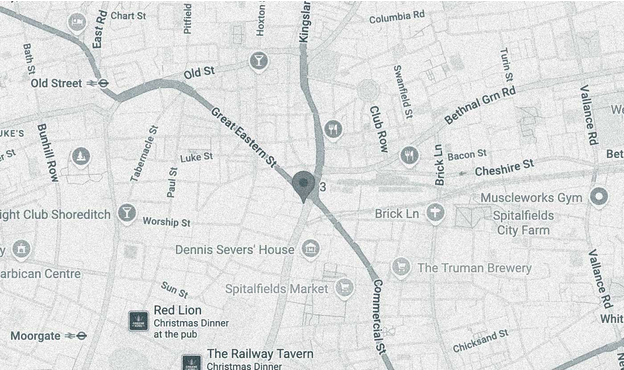
Finding us in Shoreditch
Yutori Wellness, Lion House, 3 Plough Yard, Ground Floor, London EC2A 3LP
Our Japanese acupuncture clinic is four minutes from Old Street. Eight from Liverpool Street. A short walk from Hoxton.
Opening hours:
Monday: 9am to 7pm
Tuesday: 9am to 7pm
Wednesday: 9am to 7pm
Thursday: 9am to 7pm
Friday: 9am to 7pm
Saturday: 10am to 6pm
Sunday: 10am to 6pm
Questions About Japanese Acupuncture and
Moxibustion
It does not have to. The needles are very fine, and most people feel almost nothing. Some treatments use Teishin, which does not pierce the skin at all. Pain or intensity is not a sign that a treatment is working.
Japanese acupuncture tends to be gentler. It relies more on touch, with the practitioner palpating the body to choose points. Needles are often finer and placed more shallowly. Chinese acupuncture more commonly uses a stronger needle sensation.
Moxibustion is a traditional way of bringing warmth to points on the body. In Japanese practice it is used year round, and many people come for it through the colder months and cold and flu season.
Acupuncture is worth having regularly. If you are coming with a specific concern, once a week is a good place to start. Many people then move to once or twice a month for ongoing support. Your practitioner will suggest a rhythm that suits you.
No. Many people come for a reset, for rest, or to give the nervous system a moment of peace. You do not need something to be wrong to book.
Teishin is a non-insertive needle. It is pressed or moved gently on the surface of the skin, so nothing goes in.
Side effects are usually mild. The NHS lists pain, bleeding or bruising where needles go in, drowsiness, and feeling sick, dizzy or faint. Tell your practitioner about any health conditions or medication before your treatment.
